The Zoning Line That Actually Sets Cherry Hills Village Home Prices
October 1, 2026
October 1, 2026
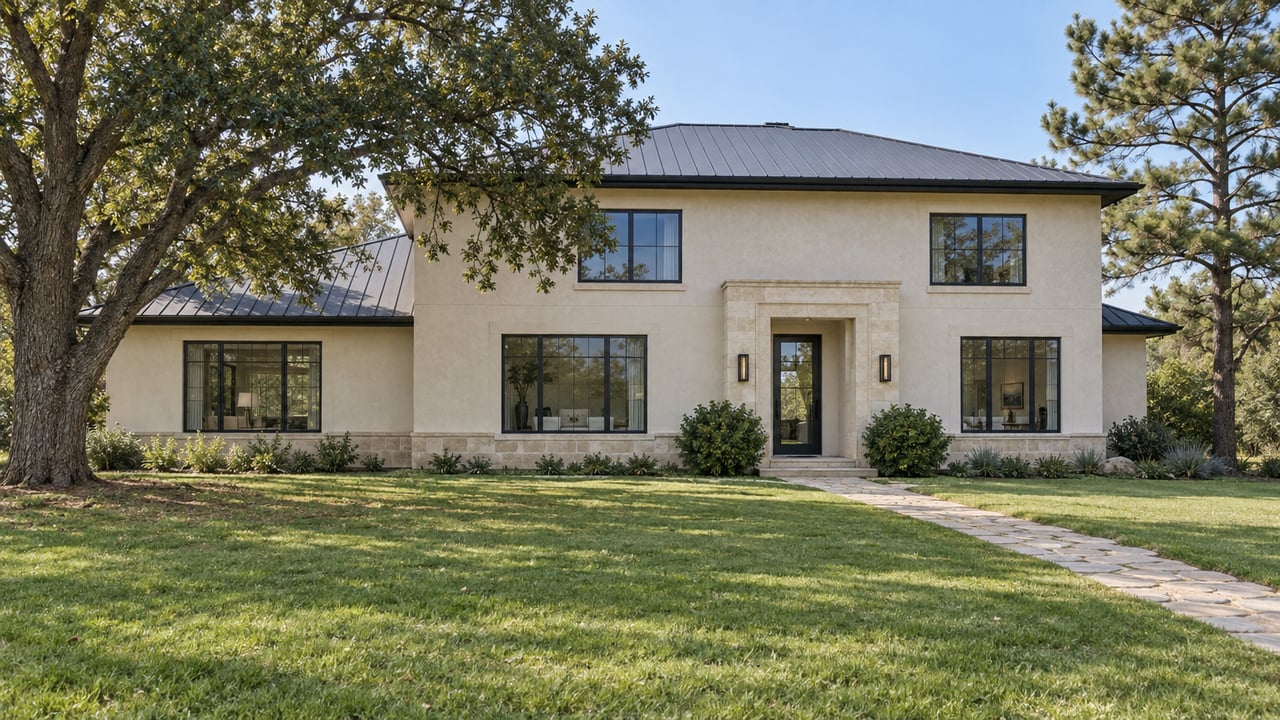
A buyer walks a five-acre lot in Cherry Hills Village, sees the wooden rail fencing next door, and assumes horses come with the territory. Then the title company or the city's planning office comes back with a different answer: this particular parcel, despite sitting one driveway down from a working barn, doesn't carry equestrian rights. The fence next door belongs to a different zoning designation. The buyer's whole plan for the property, and the price they were willing to pay for it, was built on an assumption the lot itself never supported.
That mix-up happens more often than the postcard image of Cherry Hills Village suggests, and it points to something the median price on any listing site will never explain. This is not one housing market wearing one price tag. It's a handful of markets stacked inside a single city limit, and the line between them is drawn by acreage and zoning district, not by how recently a kitchen was remodeled.
Cherry Hills Village is an incorporated city in Arapahoe County, not a subdivision or a marketing name for a stretch of Denver suburbs. That distinction matters more than it sounds like it should. The city's zoning code allows exactly two categories of land use inside its borders: residential and equestrian. There is no commercial zoning district anywhere in the city. No strip malls, no standalone retail, no apartment buildings, because the code was never written to permit them.
That single fact does more to explain the price floor here than any amount of demand-side chatter about Denver's luxury buyers. When a city structurally cannot add commercial density or multifamily housing, the supply of buildable, sellable inventory is fixed by the acreage the city already has, split among however many residential and equestrian lots the zoning map allows. You can't build your way out of scarcity in Cherry Hills Village. The zoning ordinance itself, available through the city's Municipal Code, makes that permanent rather than cyclical.
Ask what a given dollar amount buys in Cherry Hills Village and the honest answer depends entirely on which side of an acreage threshold the property sits on.
A roughly one-acre lot with a home built in the 1970s or 1980s, solid but not updated, tends to price in the neighborhood of $2.2 million. Move up to a two- to three-acre parcel with a custom or recently renovated home and the range jumps to $3.5 million to $5 million. Add private stables, a riding arena, or hilltop views toward the Front Range, and pricing regularly clears $7 million.
That's not a smooth price curve responding to square footage. It's a series of steps, and each step corresponds to a zoning threshold. The city's own accessory structure standards spell one of them out directly: a parcel under five acres is held to one set of limits on barns, stables and other outbuildings, while a parcel at or above five acres qualifies for additional accessory structures. A buyer comparing a 4.8-acre listing to a 5.2-acre listing next door isn't just paying for four-tenths of an acre. They're paying for a different legal category of what they're allowed to build.
The volatility in citywide sales data reflects exactly how thin these tiers are. On the same Redfin market report, the single-month average sale price for Cherry Hills Village stood at $3.21 million as of May 2026, down 25.4 percent from a year earlier, while the three-month median for the period ending that same month was $3.8 million, up 27.7 percent year over year. Two numbers, same source, same month, moving in opposite directions, because each is built from a small handful of closings landing on different sides of the acreage tiers described above. By September 2026, a separate listings tracker put the median list price at $4.78 million, with homes spending a median of 47 days on market, a sharp drop from the prior September. Earlier in the year, in February 2026, local reporting had the median sale price at $2,205,000 with homes sitting a median of 117 days and months of supply at 4.2, according to Cherry Creek News. Three snapshots of the same city across a single year, each accurate for its own moment, describing what looks like three different markets. That's not a city cooling or heating in a straight line. That's a market built from three or four dozen sales at a time, where one closing at the top of the equestrian tier or the bottom of the one-acre tier can swing the median by hundreds of thousands of dollars.
The equestrian reputation is real. Paddocks are visible from public roads in parts of the city, and the Highline Canal Trail runs along its southern edge, connecting to a broader trail network that riders and runners share with cyclists. But "equestrian reputation" and "equestrian zoning" are not the same claim, and treating them as interchangeable is where offers run into trouble.
The city's zoning code ties horse-keeping rights to specific districts and minimum lot sizes, generally starting around one acre, not to the general character of the neighborhood a lot happens to sit in. Two lots can look identical from the street and carry different rights, because the zoning map, not the fence line, determines what's legally permitted. Anyone shopping with a horse or a barn in the plan needs to confirm the specific zoning designation on a specific parcel before writing that contingency into an offer, not after. The city's Planning and Zoning Division handles exactly this kind of confirmation, and it's a five-minute question that can save weeks of a deal falling apart.
For a buyer cross-shopping Cherry Hills Village against Greenwood Village, Cherry Creek, or Hilltop, the acreage-tiered structure changes the comparison entirely. A median price comparison alone will tell you Cherry Hills Village costs more. It won't tell you that the entry point into Cherry Hills Village, a one-acre lot with a dated home in the $2 million range, competes directly with renovated homes in some of those other neighborhoods, while the $7 million equestrian tier isn't competing with anything nearby at all. You're not choosing between "expensive" and "less expensive." You're choosing which tier of a stacked market you actually want to buy into, and that choice determines your competition, your timeline, and your realistic exit price years from now.
The ongoing costs scale with the tier too. Arapahoe County property tax bills on a home valued around $2.5 million typically run in the range of $12,000 to $16,000 a year, depending on the mill levy for that specific parcel, and that's before accounting for the landscaping, tree care, and pool or court maintenance that come standard on multi-acre lots. Budgeting off the purchase price alone misses a meaningful chunk of what ownership actually costs here.
None of this makes Cherry Hills Village a harder place to buy well. It makes it a place where the zoning map is doing more work than the comps sheet, and where a buyer who understands that walks into a showing asking sharper questions than one who's only looked at the median.
Does a large lot automatically come with horse rights? No. Rights are tied to the specific zoning district and minimum acreage on that parcel, generally starting around one acre, and need to be confirmed with the city rather than assumed from a neighbor's setup.
Why do days-on-market numbers seem to contradict each other depending on where you look? Different reporting windows capture different small batches of sales, sometimes 30 to 40 homes at a time. In a market this thin, one high-tier or low-tier closing can swing the median and the days-on-market figure substantially from one three-month window to the next.
What's the practical difference between a 4-acre and a 5-acre listing? Beyond the extra land, five acres unlocks additional accessory structure allowances under the city's own building standards, which matters directly if a barn, guest house, or sport court is part of the plan.
If you're weighing a Cherry Hills Village property against something in a neighboring city and want a read on which acreage tier actually fits your plans and your budget, Jim Loveridge has spent three decades working these Front Range comparisons line by line. Let's Connect and figure out which tier of this market is really the one you're shopping in.
Stay up to date on the latest real estate trends.
Let's Connect and figure out which tier of this market is really the one you're shopping in.
A relocation like that doesn't happen because someone wanted a change of scenery.
Experience seamless real estate services with Jim Loveridge, innovative tools, and personalized support, making property buying, selling, and management easy and efficient.